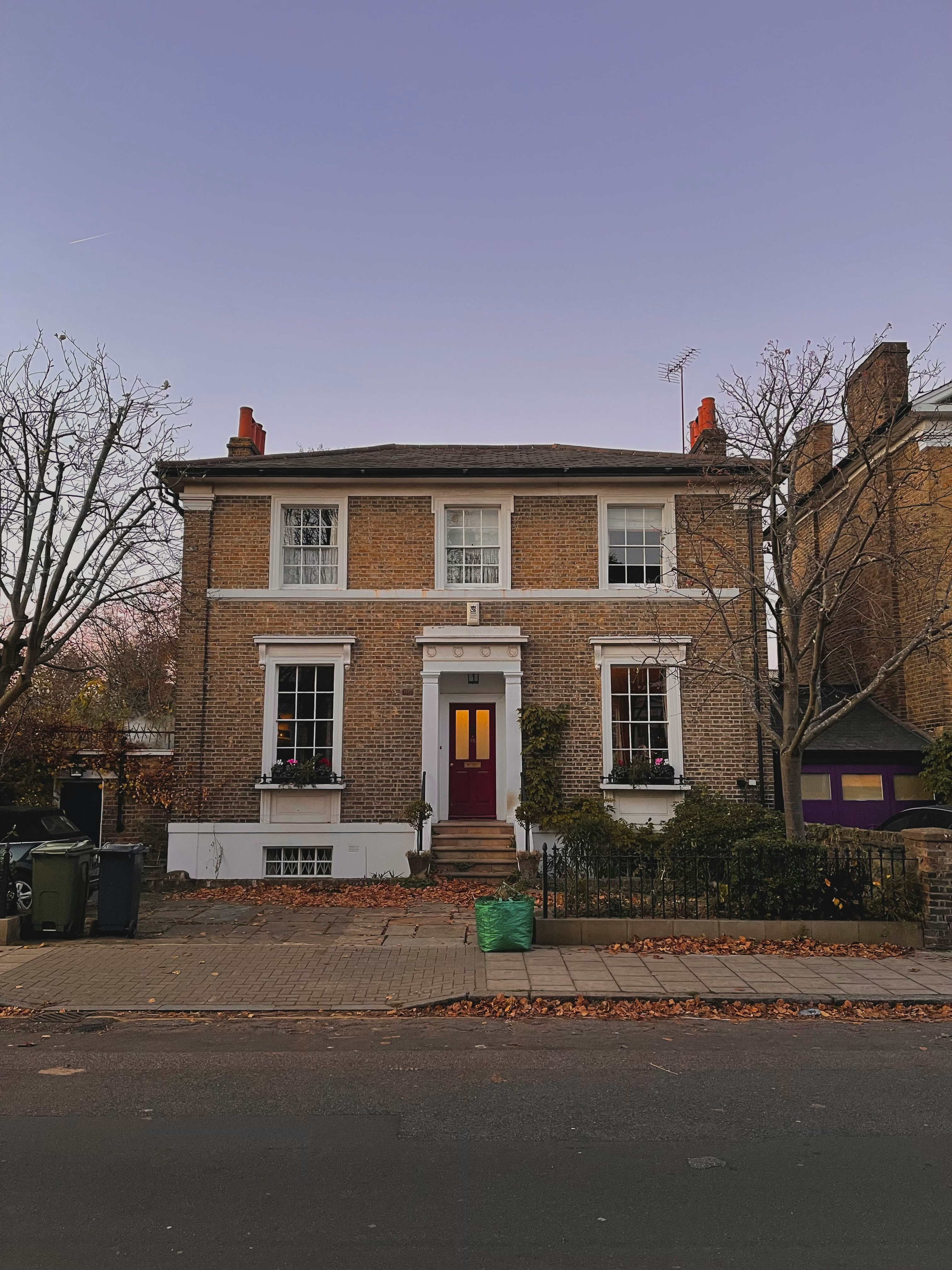

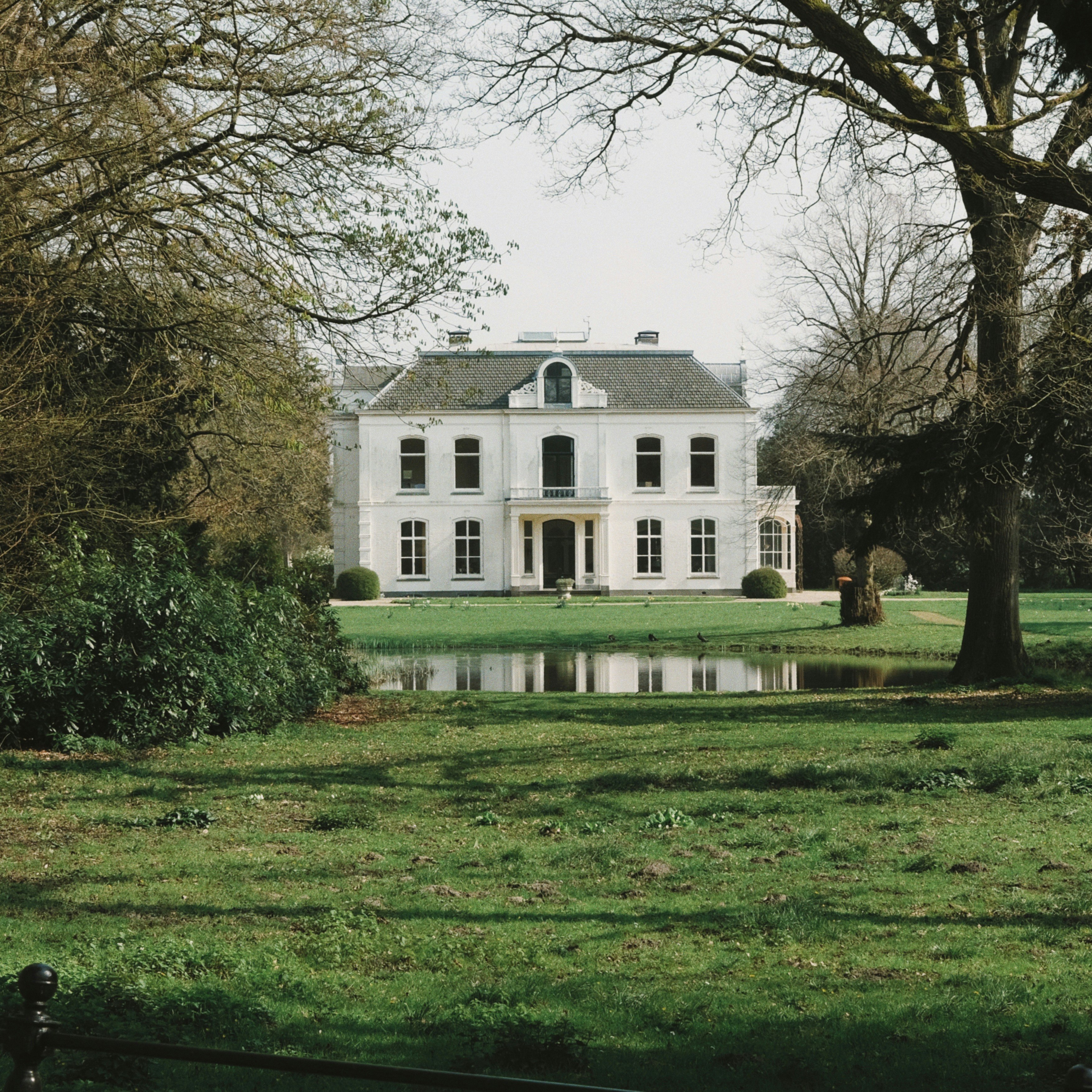
Speed in property isn’t just about luck. While market conditions matter, the sellers who move fast consistently do the same things right.
Price it correctly from day one
This is the single biggest lever you have. Properties that are overpriced at launch sit on the market, accumulate days-on-market stigma, and then need a price reduction that attracts lowball offers. Properties priced at or slightly below market value generate competing interest quickly, often selling at or above asking price within days.
Get three valuations. Ignore the highest one — agents sometimes overvalue to win your instruction. Look at what comparable properties have actually sold for in the last three months on the Land Registry’s sold prices data, not asking prices.
Presentation: first impressions in photos and in person
Over 90% of property searches start online. Your listing photos are your shop window. A professional photographer costs £150–£300 and is almost always worth it. Declutter before the shoot, not just before viewings. Natural light, tidy rooms, and clear sightlines make a measurable difference to click-through rates on portals.
For viewings: fresh flowers, clean surfaces, no strong smells, good lighting. Less discussed but equally important is temperature — a cold house in winter or a stuffy house in summer will be remembered negatively.
Choose your estate agent carefully
Not all agents are equal at selling quickly. Some are better at marketing, some at negotiation, some at managing chains. Ask each agent: what’s your average time to sell versus your local market average? What’s your fall-through rate? How many active buyers are you working with right now?
A good agent with an active buyer database can sometimes match a property before it goes to market. This won’t always get you top price, but if speed is the priority it’s worth asking about. You can also read our guide on how to spot a good estate agent before you decide who to instruct.
Sort your paperwork before you list
The number one cause of slow completions is sellers not being ready when buyers are. Get your Energy Performance Certificate done before listing — it’s a legal requirement anyway. Dig out your title deeds, building regulation certificates for any extensions, and warranties for recent works. If you have leasehold, get a copy of the lease and the last three years of service charge statements.
Instructing a conveyancer before you have an offer accepted can save two to four weeks. They can prepare the draft contract and gather management information in advance.
Be realistic about your chain position
Buyers move fastest when they face the least risk. If you can offer flexibility on timing, on fixtures and fittings, or on completion date, say so in the listing. A chain-free or short-chain property commands a premium in speed even if not always in price.
If you’re in a chain, keep communication flowing. Chains collapse most often when someone goes quiet. Know where everyone is in the process at all times and make sure your solicitor is progressing things rather than waiting to be chased.
Common questions
What is the fastest way to sell a house in the UK?
Price it correctly from day one (at or slightly below market value), use professional photography, have your EPC and paperwork ready before listing, and instruct a conveyancer before you get an offer. Each of these alone reduces time on market; together they compound.
Does pricing lower actually help you sell faster?
Pricing at or slightly below market value generates competing interest quickly, often resulting in a sale at or above asking price within days. Overpricing at launch is the most common mistake — it leads to days-on-market stigma and eventual price reductions.
How can I reduce the risk of a sale falling through?
Instruct a responsive conveyancer, keep your chain communication active, and — if you're a seller — qualify buyers carefully before accepting an offer. A buyer with a mortgage in principle, no property to sell, and a clear timeline is significantly lower risk.
Woosh gives sellers access to verified, active buyers. Every buyer on the platform has confirmed their mortgage-in-principle status before making an offer — which means faster, cleaner transactions with fewer fall-throughs.
List your property on Woosh