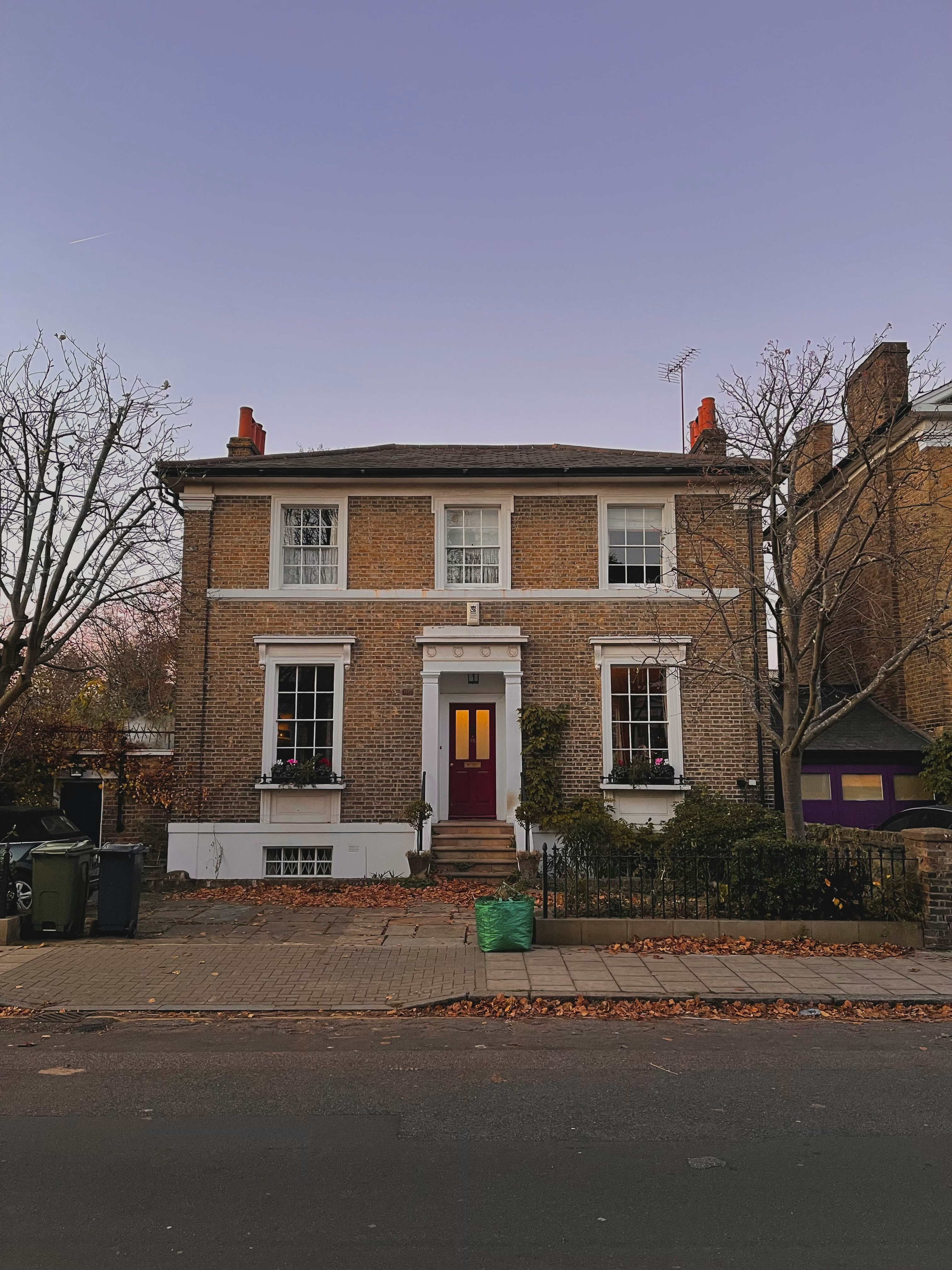


An Energy Performance Certificate (EPC) is one of those things you barely think about — until you’re selling or letting a home and suddenly need one. Here’s what an EPC is, what the rating means, what it costs, and when you legally need one.
What is an EPC?
An EPC rates how energy-efficient a property is, on a scale from A (most efficient) to G (least efficient). It estimates the running costs and lists recommendations for improving efficiency. Every certificate shows two scores: the property’s current rating and its potential rating if you made the suggested improvements.
An EPC is produced by an accredited domestic energy assessor after a short visit, and it’s valid for 10 years.
Do you need an EPC to sell?
Yes. By law you must have a valid EPC before you market a property for sale or rent — and you need to commission it before the listing goes live. If your current certificate is still within its 10-year window, you can reuse it; if it’s expired, you’ll need a new one.
There are a few exemptions (some listed buildings, places of worship, and certain temporary buildings), but for the vast majority of homes an EPC is required.
What do the EPC bands mean?
| Band | Score | What it means |
|---|---|---|
| A–B | 81+ | Very efficient — low running costs |
| C | 69–80 | Good — better than most UK homes |
| D | 55–68 | Average — typical of older UK housing |
| E | 39–54 | Below average — higher bills |
| F–G | 38 or below | Poor — expensive to run |
Most UK homes sit around band D. A rating of C or above is considered good. For landlords, the minimum needed to let a property is currently band E.
How much does an EPC cost?
An EPC typically costs £60–£120, depending on the size of the property and the assessor. It’s a small but unavoidable part of the cost of selling a home — unless you already have a valid one. Get a couple of quotes; prices vary for identical work.
How to improve your EPC rating
The recommendations on your certificate are the place to start. The cheapest wins are usually:
- LED light bulbs throughout.
- Loft and cavity-wall insulation — often the single biggest improvement.
- A more efficient boiler or better heating controls (thermostats, radiator valves).
- Draught-proofing doors and windows.
- Solar panels, for a bigger investment and a bigger jump.
A better rating makes your home more attractive to buyers, who increasingly weigh up energy bills when deciding what to pay.
How do you get one?
Book an accredited domestic energy assessor — your estate agent or platform can usually arrange this as part of preparing your listing. The assessment takes under an hour, and the certificate is added to the public EPC register, where buyers can look it up.
The bottom line
If you’re selling, sort your EPC early: you need a valid one before you can market the property, and it’s cheap to commission. Check whether your existing certificate is still in date first — if it is, that’s one cost off your list. For everything else that goes into a sale, see our guide on how much it costs to sell a house.
Common questions
Do you need an EPC to sell a house?
Yes. By law you must have a valid Energy Performance Certificate before you market a property for sale or rent in the UK, and you need to commission it before the listing goes live. EPCs last 10 years, so if your existing one is still in date you can reuse it.
How much does an EPC cost?
Usually £60–£120, depending on the size of the property and the assessor. It's worth getting a couple of quotes, as prices vary for identical work. If you already have a valid certificate, it costs nothing — EPCs last 10 years.
How long does an EPC last?
Ten years. You can reuse a valid EPC across multiple sales or lettings within that period; you only need a new one once it expires.
What is a good EPC rating?
Ratings run from A (most efficient) to G (least efficient). A rating of C or above is considered good; most UK homes sit around band D. Landlords currently need at least band E to let a property.
When you list with Woosh, sorting your EPC is part of getting your property ready to go live — so you're never held up at the last minute by a missing certificate.
List your property on Woosh