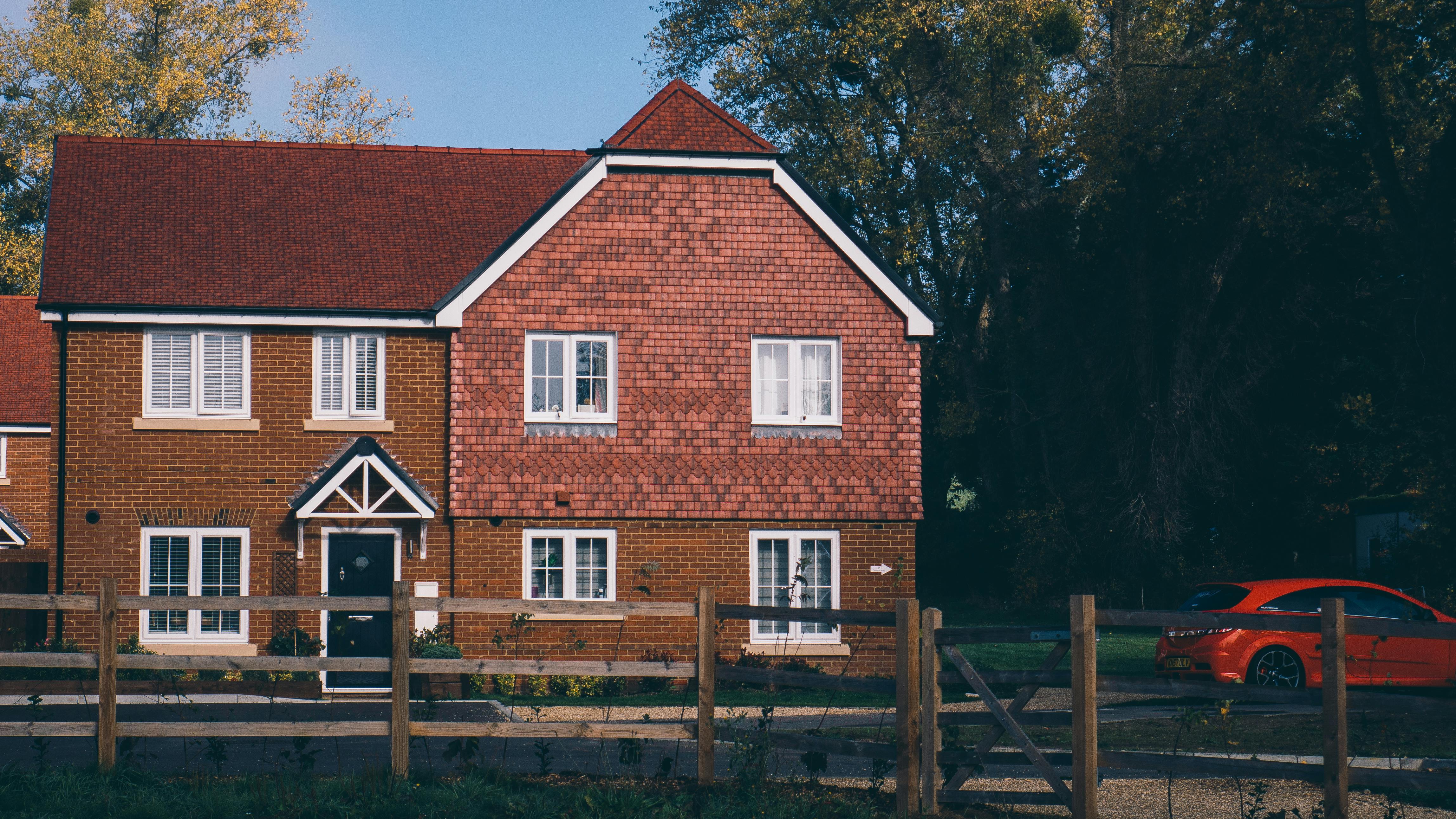

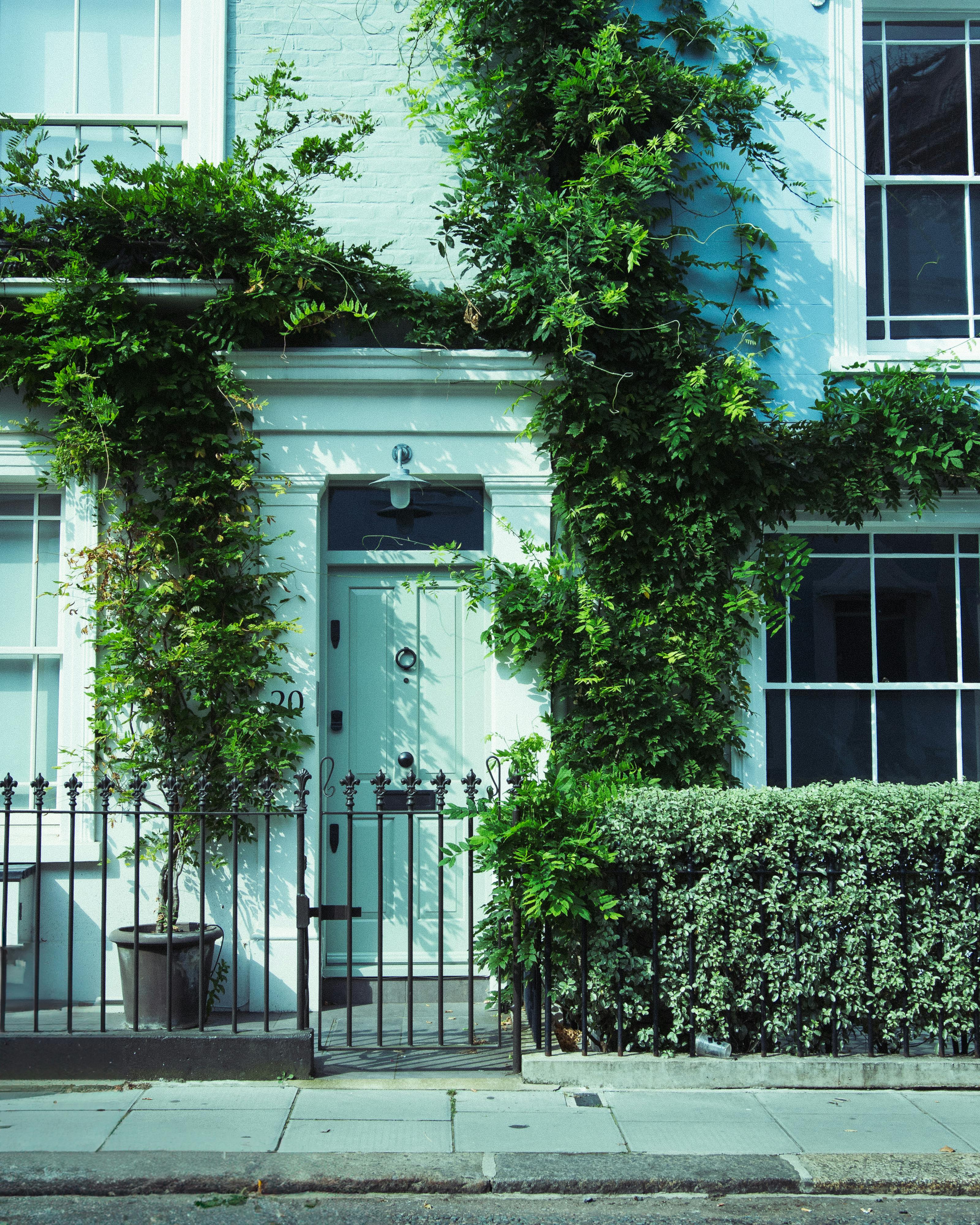
When you’re buying a property in the UK, one of the first things you’ll notice on the listing is whether it’s leasehold or freehold. It sounds like legal jargon, but it has very real implications for what you’re actually buying, what you can do with the property, and what it might cost you over time.
What does freehold mean?
If you buy a freehold property, you own the building and the land it sits on outright. It’s yours. No one can charge you ground rent, no one controls whether you can make alterations, and there’s no lease that needs renewing. The vast majority of houses in the UK are freehold.
Freehold is simpler, cleaner, and usually cheaper to own in the long run. There’s no ongoing relationship with a landlord or freeholder, and no risk of the lease running down.
What does leasehold mean?
If you buy a leasehold property, you own the property for a fixed period — typically 99, 125, or 999 years — but the land underneath is owned by someone else (the freeholder, also called the landlord). Flats are almost always leasehold. Some houses, particularly new builds, are too — though this has become increasingly controversial and the government has been moving to restrict it.
As a leaseholder, you usually pay ground rent (though this has been capped at zero for new leases since 2022), service charges for the upkeep of shared areas, and potentially a buildings insurance contribution arranged by the freeholder.
You may also need to get permission from the freeholder to make alterations, sublet the property, or keep pets — depending on the terms of your lease.
Why does lease length matter so much?
This is the thing that catches buyers out. The shorter the remaining lease, the more expensive and difficult the property becomes to sell, mortgage, and live in.
Most mortgage lenders won’t lend on a leasehold property with fewer than 70–85 years remaining on the lease. When you come to sell, buyers will face the same restriction. The practical ceiling is that you want at least 80 years on the lease when you buy — and ideally much more.
Below 80 years, extending the lease becomes significantly more expensive due to a legal concept called “marriage value” — the freeholder gets a share of the value created by the extension.
If you’re buying a leasehold property with fewer than 90 years on the lease, get a specialist conveyancer to assess the cost of extending it before you exchange.
How do you extend a leasehold?
You have two routes. The informal route is to negotiate directly with the freeholder — quicker, but you’re at their mercy on price. The formal (statutory) route uses the Leasehold Reform, Housing and Urban Development Act 1993. After owning the property for two years, you have the legal right to extend by 90 years at a peppercorn (zero) ground rent, in exchange for a one-off premium.
The premium is calculated by a specialist surveyor and can range from a few thousand pounds to over £30,000 depending on the property value, remaining lease length, and current ground rent. You’ll also pay your solicitor and the freeholder’s legal costs on top.
What is share of freehold?
Some leasehold properties come with a share of freehold, meaning all or most of the leaseholders jointly own the freehold between them. This is generally a good thing — it means no outside landlord controlling costs and permissions, and lease extensions are usually simpler and cheaper to arrange. Look out for it when buying a flat; it adds genuine value.
Leasehold reform: where are we in 2026?
The Leasehold and Freehold Reform Act received Royal Assent in 2024 and various provisions have been coming into force. Key changes include easier and cheaper lease extensions, restrictions on new leasehold houses, and increased transparency around service charges. If you’re buying a leasehold property, ask your solicitor specifically about any rights introduced by the 2024 Act that might apply to your situation.
The bottom line
For most buyers, freehold is simpler and preferable. If you’re buying a flat, leasehold is almost inevitable — just check the lease length, the service charge history, and the relationship between leaseholders and the freeholder before you commit. A good conveyancer will flag the risks. And whichever tenure you choose, it’s worth knowing the full breakdown of buying costs before you commit.
Common questions
What is the difference between leasehold and freehold?
With freehold you own the building and land outright. With leasehold you own the property for a fixed period (typically 99–999 years) but the land is owned by a freeholder who can charge ground rent and service charges.
How short can a lease be before it's a problem?
Most mortgage lenders won't lend on a lease with fewer than 70–85 years remaining. Below 80 years, extending becomes significantly more expensive due to 'marriage value'. If you're buying leasehold, aim for at least 90 years on the lease.
What is share of freehold?
Share of freehold means the leaseholders jointly own the freehold between them — no outside landlord controlling costs or permissions. Lease extensions are usually simpler and cheaper to arrange, and it adds genuine value to the property.
Every property listing on Woosh shows the tenure type clearly — freehold, leasehold, or share of freehold — and the remaining lease length where applicable. No hunting through the estate agent’s small print.
Browse properties